17 November 2026
Gragnano durum wheat: why it is the best cereal

Gragnano durum wheat: because it is the best cereal for pasta

Everyone knows pasta, a typical Italian product that has achieved great fame all over the world and that today has become a real lifestyle, as well as enhancing the gastronomic tradition of the Bel Paese. Pasta is the ingredient of the Mediterranean diet and each of us consumes 23 kg of this food each year. Not only that.
Pasta and in particular the Pasta of Gragnano PGI it is also a food consumed abroad, particularly in Germany, the United Kingdom, the Netherlands, Belgium and Austria, but also in the United States, a privileged market for exports. Also in Asia in the Arabian Peninsula the consumption of pasta has grown dramatically and today one pasta dish out of 4 in the world is tricolor. (Source: Ansa)
History of pasta
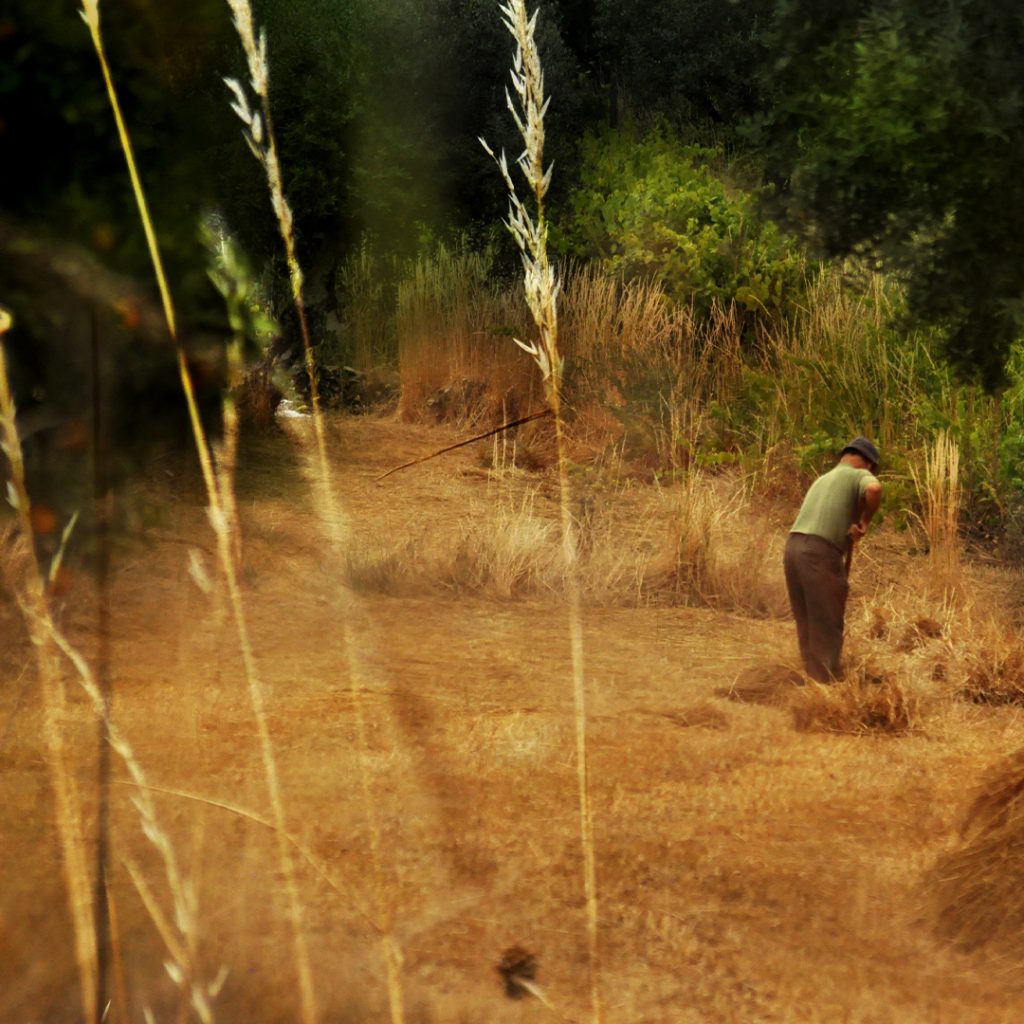
The pasta was born 7000 years ago With the abandonment of the nomadic life and the birth of the ability to sow and harvest and then work the wheat better and better. Already the Greeks and Etruscans consumed and produced pasta and the first evidence of this food dates back to the first millennium BC.
The technique of drying pasta for longer storage spreads among the Arabs and already in 1154 the Arab geographer Al Idrin spoke of ‘a flour food in the shape of threads’ produced in Palermo.
In 1500 trade associations and pasta makers' guilds were born throughout Italy, but until 1700 all types of pasta are called maccheroni, until the Neapolitans establish the use of this term only for long drawn pasta.
Why durum wheat: the production of Pasta di Gragnano PGI
The best Italian pasta It is produced in Gragnano, near Naples, where the breezy, sunny climate with the right humidity allows not only the cultivation of the best durum wheat, but also the correct drying of the pasta. However, the great success of durum wheat and Pasta of Gragnano We have with the famine that in 1764 hits the Kingdom of Naples.
Durum wheat and in particular durum wheat semolina combined with water from the local aquifer give rise to the Pasta of Gragnano PGI The high quality of this cereal led to the recognition of ‘Pasta di Gragnano’ as a protected geographical indication (PGI) in October 2013.
Although pasta production has changed considerably over the centuries, the product retains the basic ingredients: durum wheat and water. Few people know that in Italy dry pasta must be produced exclusively with durum wheat. From the grinding of this cereal so important is obtained the semolina, a flour of greater graininess and with an amber yellow color. Among the various types of flour that are obtained from durum wheat, at the base of the Pasta of Gragnano PGI like the one proposed by Pasta d’Aragona, there are:
- the semolina referred to above;
- ground semolina or durum wheat flour or semolina, obtained by grinding the semolina and therefore finer.


Pasta of Aragon: durum wheat 100% Italian
Pasta of Aragon brings the best pasta to the market and to the tables of Italians. It is a product made with durum wheat 100% Italian and processed with traditional and centuries-old methods. Our master pasta makers use bronze dies worked by artisans and proceed to slow drying in static ovens at low temperatures for a total of hours ranging from 14 to 60.
The trade mark Pasta of Aragon It contains a history of tradition and passion, a love for pasta and for the city of Gragnano, the undisputed homeland of ‘maccheroni’. If you love the real pasta of Gragnano PGI you cannot help but love Pasta d’Aragona products: bring durum wheat pasta to your table 100% Italian and create a moment of serenity at home among family and friends. Discover the many formats and fill your pantry!